
Schulte Table
Free Online Visual Search and Attention Task
🎯 How to Play
Find and click numbers in ascending order (1–25). Prioritize accuracy, then compare your completion time with your own attempts using the same grid size, device, and settings.
Track Your Personal Baseline
There is no universal clinical cutoff for this online game. Compare attempts only when grid size, device, and settings are the same. The leaderboard reflects site players, not population norms.
Leaderboard
The leaderboard ranks your adjusted time: completion time plus a small penalty for each mistake.
Cognitive Benefits
Visual Search Practice
Practice locating numbered targets among distractors and following a fixed sequence under time pressure.
Attention to a Sequence
Stay with one ordered task while tracking the next target and avoiding premature clicks.
Transfer Limits
Faster grid times show improvement on this task; they should not be treated as proof of faster reading or broad cognitive change.
The Science Behind the Game
What the Schulte Table Measures
Scientific References
- Cortical Activity During a Schulte Table Task · A peer-reviewed study measuring cortical activity during a Schulte Table task
- The Attention System of the Human Brain · A foundational review of attention systems, included as background rather than proof of training effects
- Eye Movements in Reading and Information Processing · A peer-reviewed review of eye movements in reading, which does not test Schulte training
FAQ
Related Games
 Visual Tracking
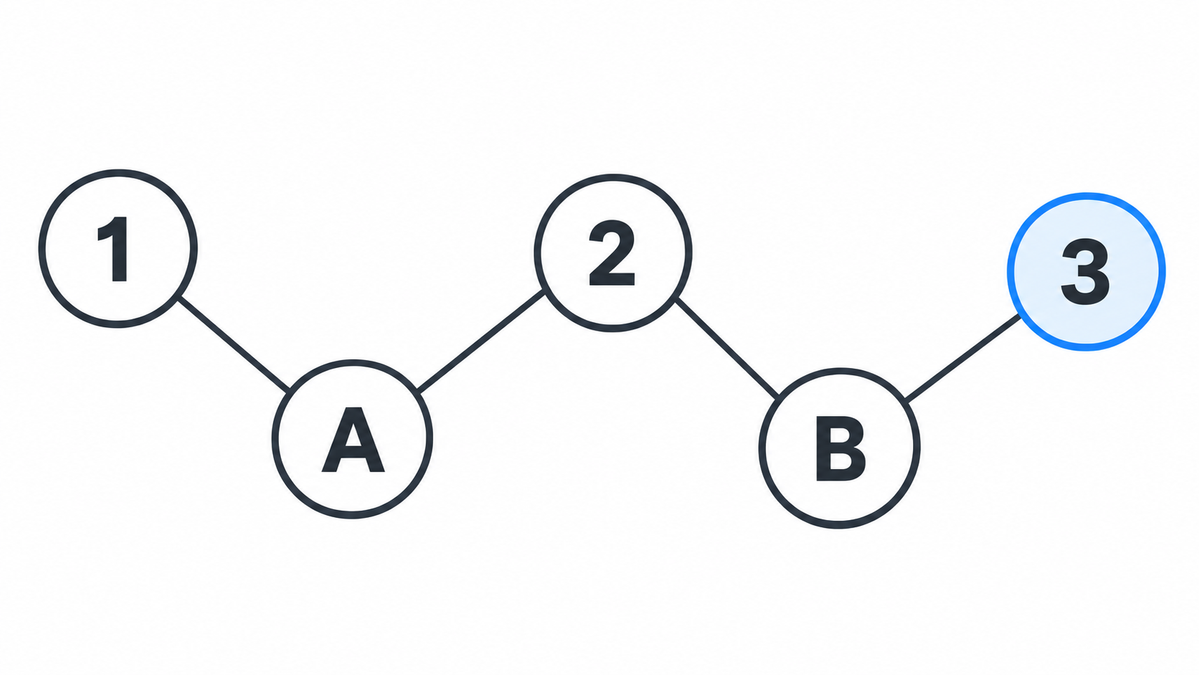
Trail Making Test
Connect numbers and letters in order. Try Parts A and B online or print a practice worksheet.
 Selective Attention
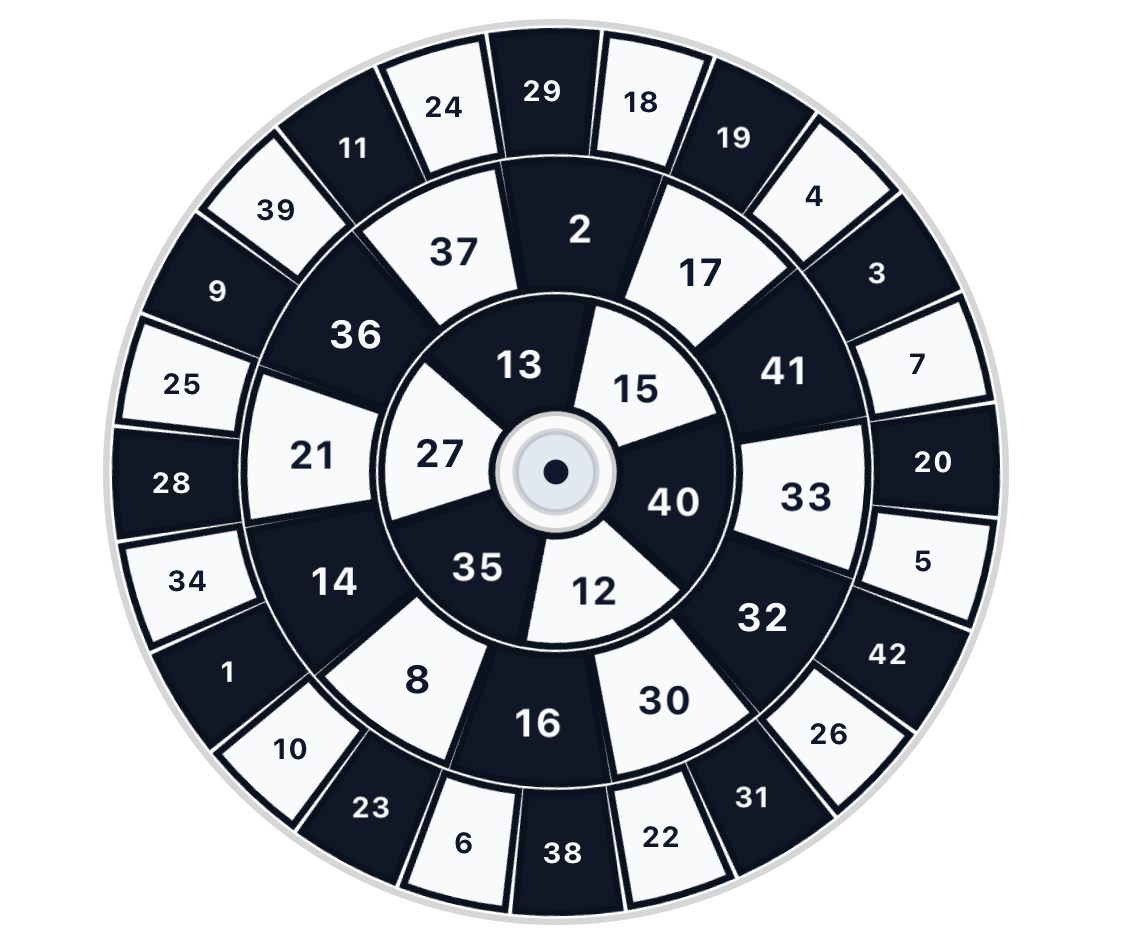
Rotating Schulte Table
Play a dynamic circular Schulte Table with three number rings that rotate independently in different directions. Find numbers 1 to 42 while practicing visual search, focused attention, and quick, accurate responses.
 Visual Tracking
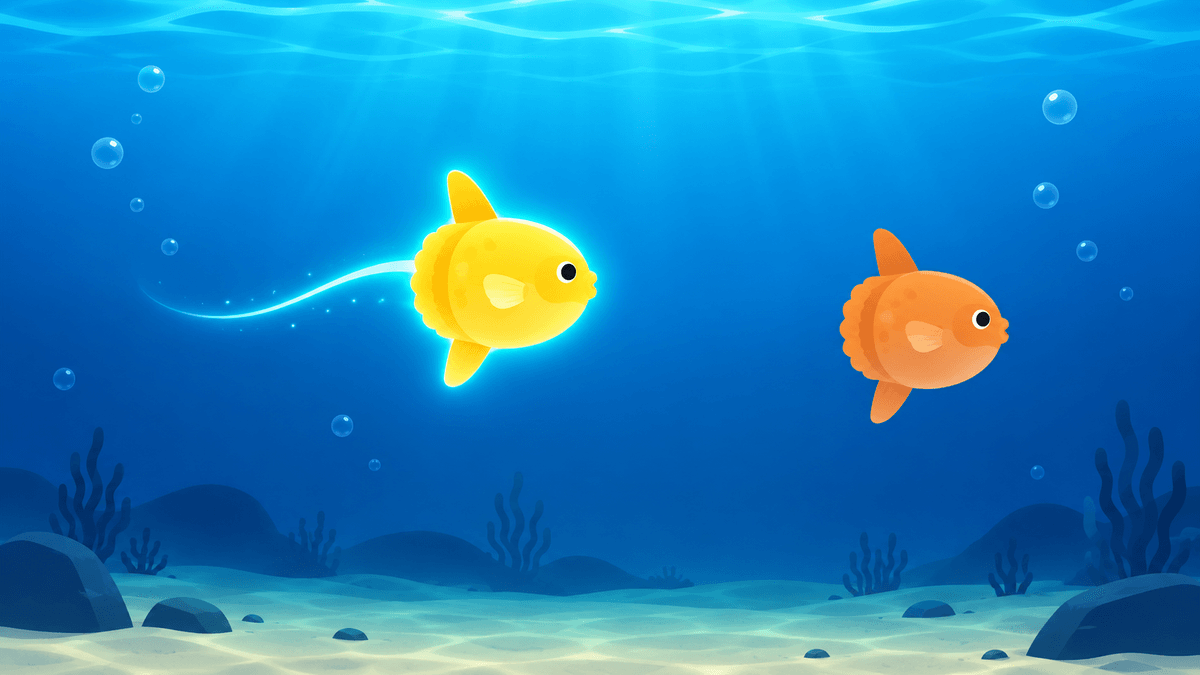
Glowing Fish Trace
Improve visual tracking abilities by following glowing fish in a dynamic underwater environment.
 Working Memory
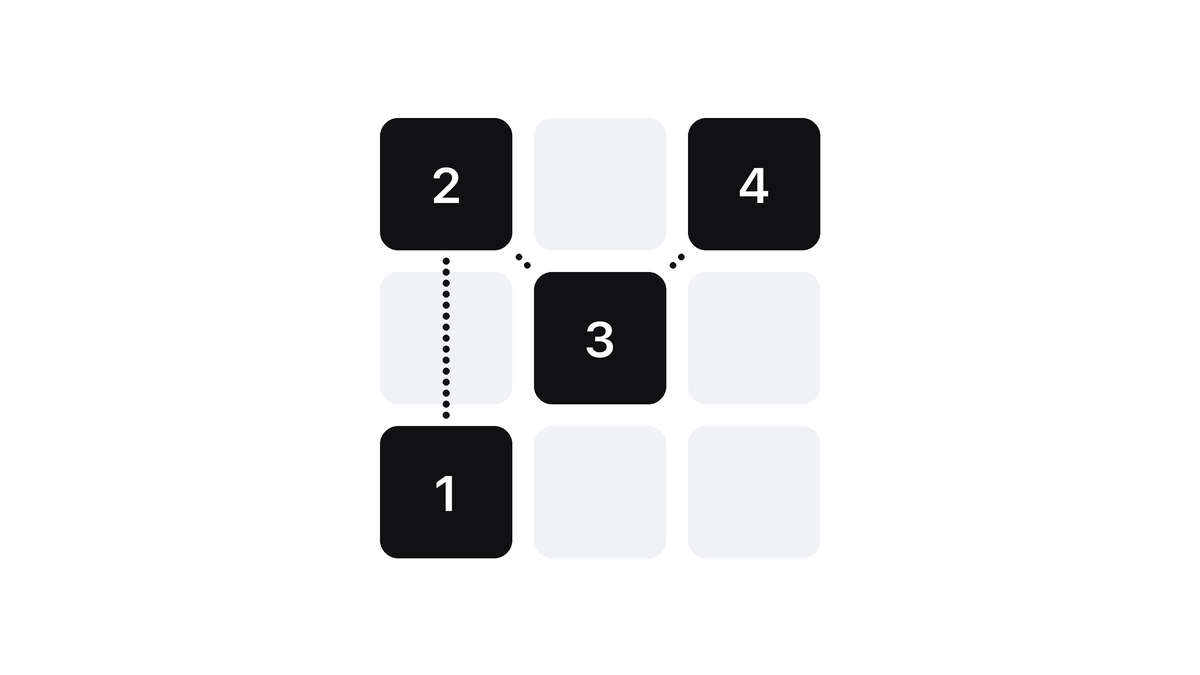
Sequence Memory Test
Play a free sequence memory game online. Watch flashing blocks, recall them forward or backward, and use your longest completed sequence as a memory benchmark.