
Resonance Breathing
Activate Your Vagus Nerve with 6 Breaths Per Minute
🎯 How to Play
Follow the lotus flower animation to guide your breathing. Choose from multiple breathing patterns:
- Select a breathing mode: Resonance, Box Breathing, or 4-7-8.
- Click 'Start' to begin. INHALE as the lotus petals open.
- HOLD your breath when the lotus pauses (for Box and 4-7-8 modes).
- EXHALE gently as the lotus petals close. Continue for 5-10 minutes.
Pro Tip: Breathe through your nose and let your belly expand on inhale. This activates diaphragmatic breathing for deeper relaxation.
Cognitive Benefits
Reduced Anxiety & Stress
Activates the parasympathetic nervous system, lowering cortisol levels. Regular practice promotes a calmer emotional state and better sleep quality.
Improved Focus & Clarity
Regulates the autonomic nervous system to reduce mental chatter, improve concentration, and enhance decision-making under pressure.
Better Cardiovascular Health
Improving HRV through breathing exercises can naturally lower blood pressure and improve blood vessel function.
Enhanced Athletic Recovery
speeds up recovery between workouts and prevents overtraining by optimizing physiological readiness.
The Science Behind the Game
The Science of Resonance Breathing
Scientific References
FAQ
Related Games
 Relaxation
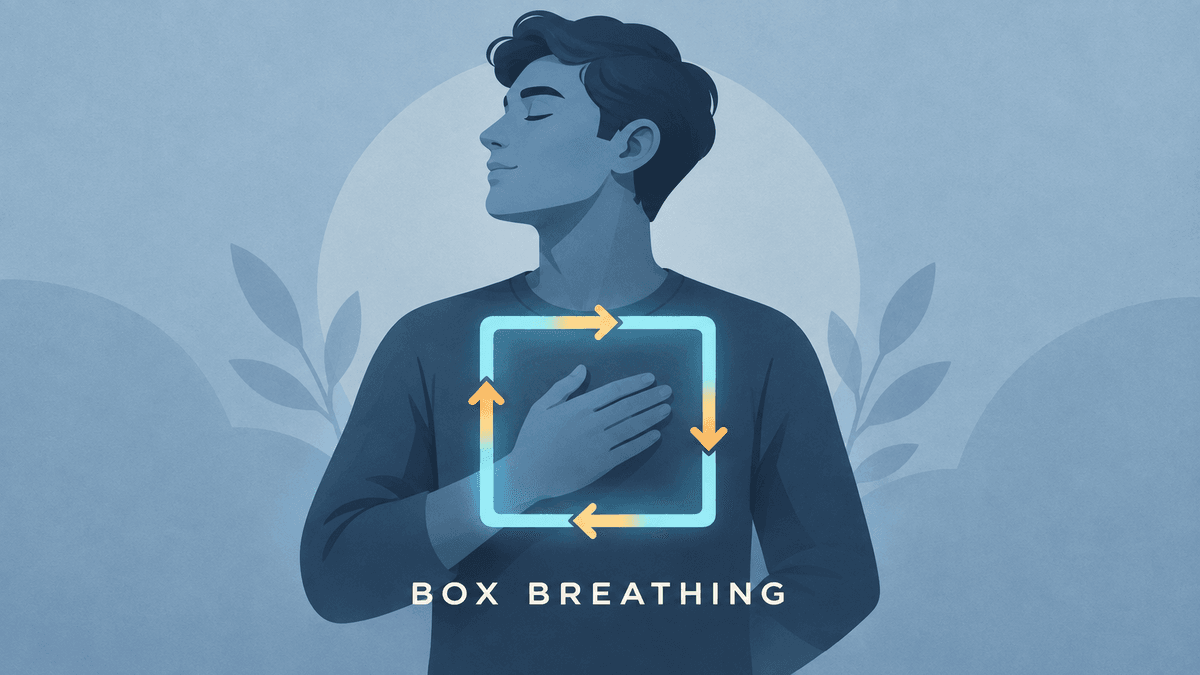
Box Breathing Exercise
Practice Box Breathing (Square Breathing) with our beautiful lotus animation guide. Inhale 4s, hold 4s, exhale 4s, hold 4s — the same technique used by Navy SEALs, first responders, and athletes for instant calm and focus.
 Relaxation
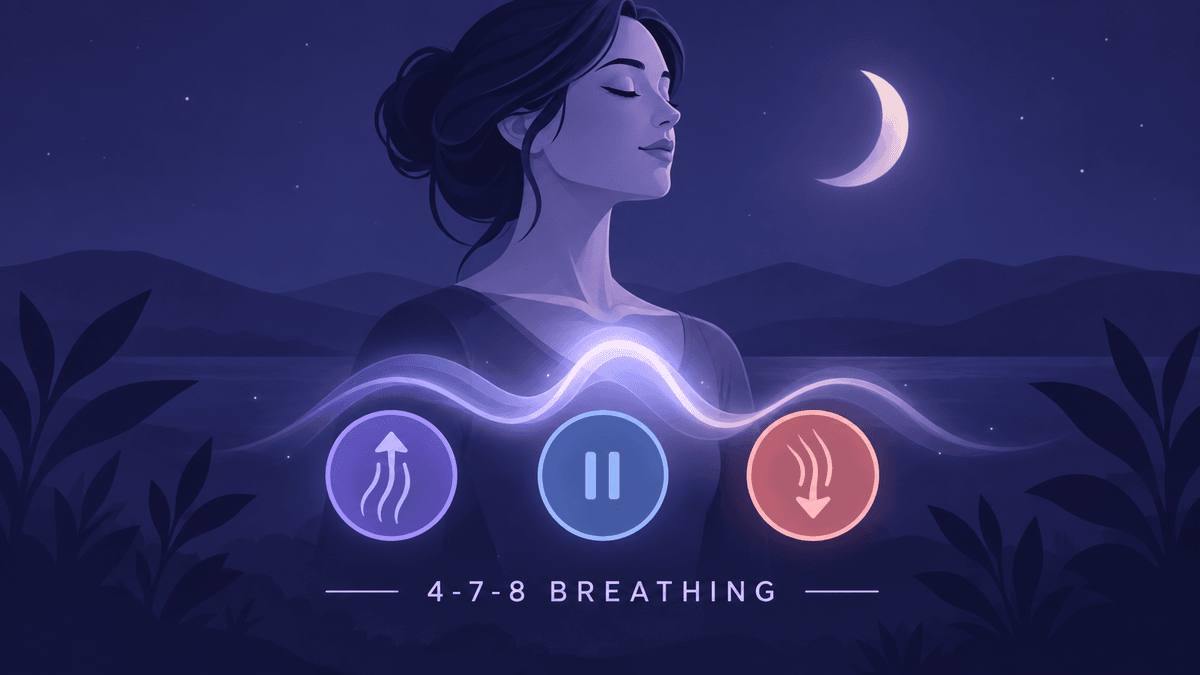
4-7-8 Breathing Exercise
Practice the 4-7-8 breathing technique with our lotus animation guide. Inhale for 4 seconds, hold for 7 seconds, exhale for 8 seconds. A powerful natural method for falling asleep faster, reducing anxiety, and calming your nervous system.
 Sustained Attention
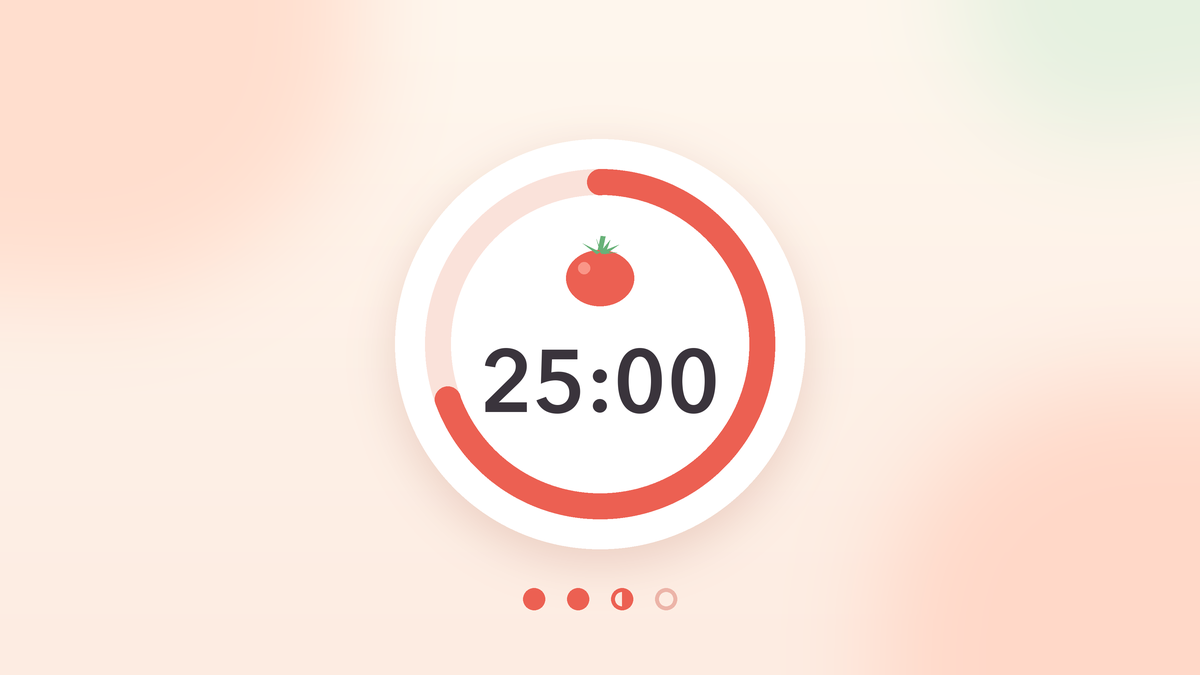
Pomodoro Timer Online
Use this free Pomodoro timer online as a study timer, focus timer, or tomato timer for 25-minute work sessions and structured breaks.