
Reaction Time Test
Check your reaction speed in milliseconds with a fast visual reaction time test
Click to start
Click as soon as the screen turns green · 5 rounds
🎯 How to Play
This reaction time game measures how quickly you react when the screen changes color. It is a simple reaction game, often called a reaction test game, that gives you a repeatable visual response-speed score.
- Wait for the screen to turn green
- Click or tap as quickly as possible when the color changes
- See your reaction time in milliseconds
- Repeat several times for more accurate results
Leaderboard
Cognitive Benefits
Measure Reaction Time
This test measures the time from when the color changes to when you click, in milliseconds.
Understand Your Baseline
Learn your baseline reaction time and compare against your previous results.
Track Consistency
Record multiple test results to see the consistency and variation in your reaction times.
The Science Behind the Game
What This Reaction Time Test Measures
FAQ
Related Games
 Reaction Time
F1 Reaction Test
Watch five red start lights come on, then react the moment they go out. Your time is shown in seconds, like an F1 start.
 Sustained Attention
Psychomotor Vigilance Test (PVT)
Stop a red millisecond counter that starts at random moments. A 3- or 10-minute sustained attention test that counts your lapses and false starts.
 Reaction Time
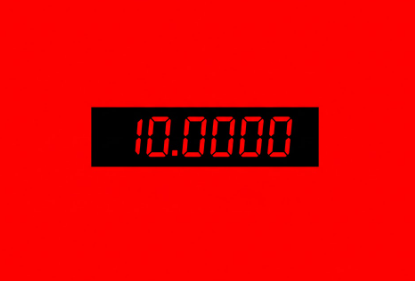
10 Second Challenge Online
Play this 10 second timer challenge game online. Start the timer, stop at exactly 10.0000 seconds, and see how close your internal clock can get.
 Reaction Time
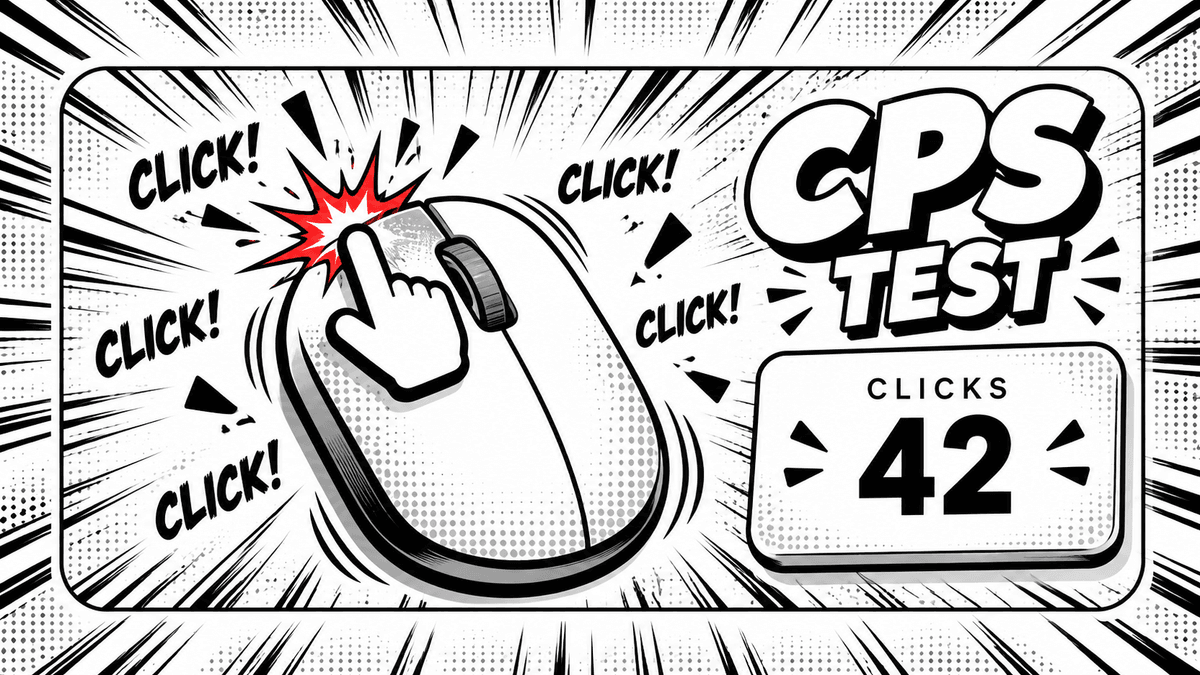
CPS Test (Click Speed Test)
Curious how fast you can click? Use this free online CPS test to measure your click speed, mouse clicking rhythm, and burst clicking power across 1s, 3s, 5s, and 10s modes.
 Reaction Time
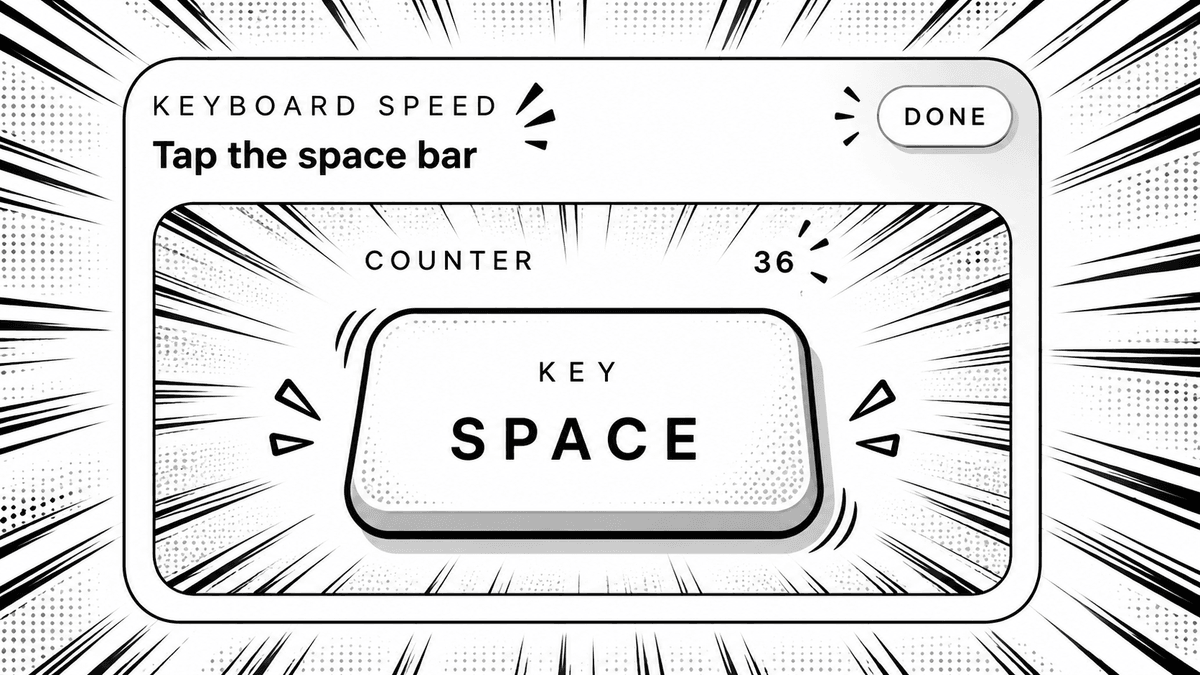
Spacebar Clicker Test
Test how many times you can hit the space bar in 5, 10, or 30 seconds. This free online spacebar clicker works as a quick keyboard speed test with clean visuals, local best scores, and mobile tap support.