
Mahjong Dual N-Back
Advanced working memory training with traditional mahjong tiles
🎯 How to Play
In this challenging memory task inspired by traditional Mahjong, you'll need to remember both the tile patterns and audio stimuli from N steps back in the sequence:
- Watch as mahjong tiles appear in sequence on the teal felt table
- Press "Tile Match" when the current tile matches the tile from N steps back
- Press "Sound Match" when the current sound matches the sound from N steps back
- Use keyboard shortcuts: 'A' for Tile Match, 'L' for Sound Match
- Start with 1-back (remembering the previous tile) and progress to higher levels as your memory improves
- Adjust settings to customize your training experience with different N-back levels and stimulus types
Cognitive Benefits
Working Memory
Strengthen your ability to hold and manipulate multiple pieces of information in mind while tracking mahjong tile positions and sounds.
Fluid Intelligence
Improve your problem-solving abilities and cognitive flexibility through the challenging dual-task nature of the mahjong n-back exercise.
Attention Control
Enhance your focus and ability to filter out distractions while monitoring both visual and auditory mahjong stimuli simultaneously.
FAQ
Related Games
 Working Memory
Dual N-Back
Use this free dual n-back online game to practice visual and audio recall in one browser tab. Start with a 30-second tutorial, adjust the N-back level, and build a steady working memory habit.
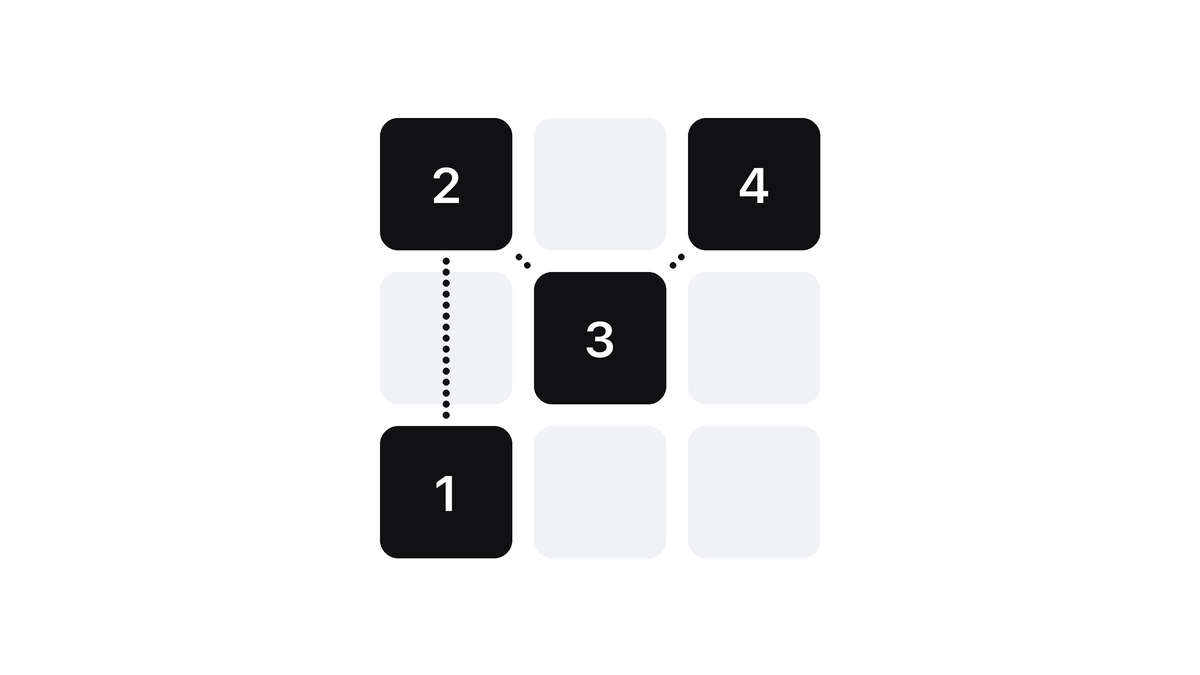 Working Memory
Sequence Memory Test
Play a free sequence memory game online. Watch flashing blocks, recall them forward or backward, and use your longest completed sequence as a memory benchmark.