
Double Decision Game
Free adaptive visual processing speed and useful field of view training
Two decisions in one glance
Keep your eyes on the red dot.
🎯 How to Play
Double Decision is an adaptive visual processing speed game. In every trial, a vehicle at the centre and a Route 66 sign in one of eight peripheral locations appear at the same time.
- Keep your gaze on the central red dot. Identify the vehicle without moving your eyes toward the road sign.
- After the brief visual mask, choose the central vehicle first, then select the road sector where the Route 66 sign appeared.
- The display becomes shorter after correct trials. Higher field levels move the target farther from the centre and add distractor signs.
Double Decision Leaderboard
Cognitive Benefits
Take In More at a Glance
Train your useful field of view (UFOV) by holding your gaze on one point while noticing what happens farther away. The goal is to rely less on scanning and become better at catching peripheral details around the thing you are focused on.
Spot Important Information Faster
Practice finding the two details that matter before the scene disappears. As your visual processing speed improves in the game, you can stay accurate with shorter displays instead of rushing and guessing.
Handle Two Visual Signals at Once
Build steadier divided attention by tracking a central vehicle and a peripheral sign in the same glance. This is useful practice for situations where you need to stay focused on a main target without losing awareness of what is happening around it.
The Science Behind the Game
Why practice can make you faster
The main benefit of Double Decision is learning to collect more useful visual information in less time. Instead of practising speed alone, you work on speed, accuracy and peripheral awareness together.
The challenge stays just above your comfort zone. Correct answers shorten the next display and gradually move the sign farther out. A mistake gives you more time again. This adaptive rhythm keeps the task demanding enough to create progress without leaving you stuck at a level that is too easy or too frustrating.
Your improvement is easy to see. Large projects such as ACTIVE found that speed-of-processing practice produced lasting gains on the visual skills being trained. In this game, the same kind of progress appears as a shorter display time, a wider field level and a higher rate of getting both answers right.
With regular play, your aim is to recognise the centre faster, notice peripheral details with less searching and stay accurate when the scene becomes busier. Those are practical visual habits for any activity that asks you to focus on one thing while keeping track of the surrounding scene.
FAQ
Related Games
 Divided Attention
School Run Double Decision
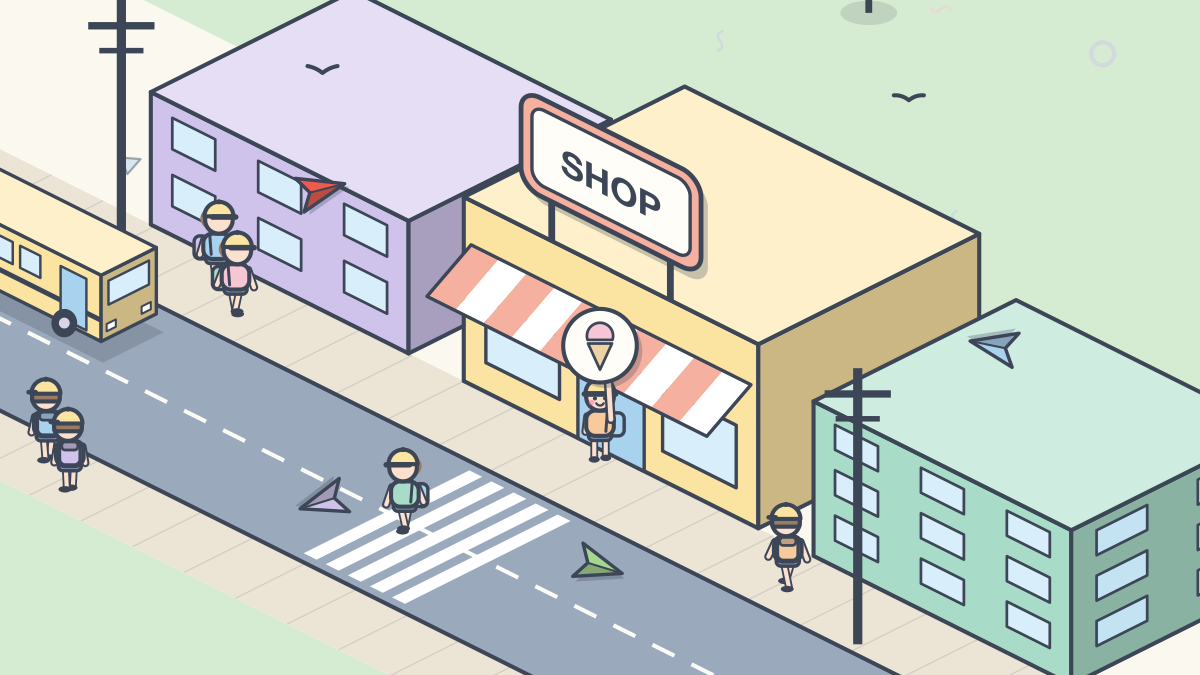
An endless after-school Double Decision game: see what the child bought and spot the red paper plane in one glance.
 Reaction Time
 Test
Use this free online reaction time test to check how quickly you respond to a visual signal and compare your result against common averages.
 Selective Attention
Rotating Schulte Table
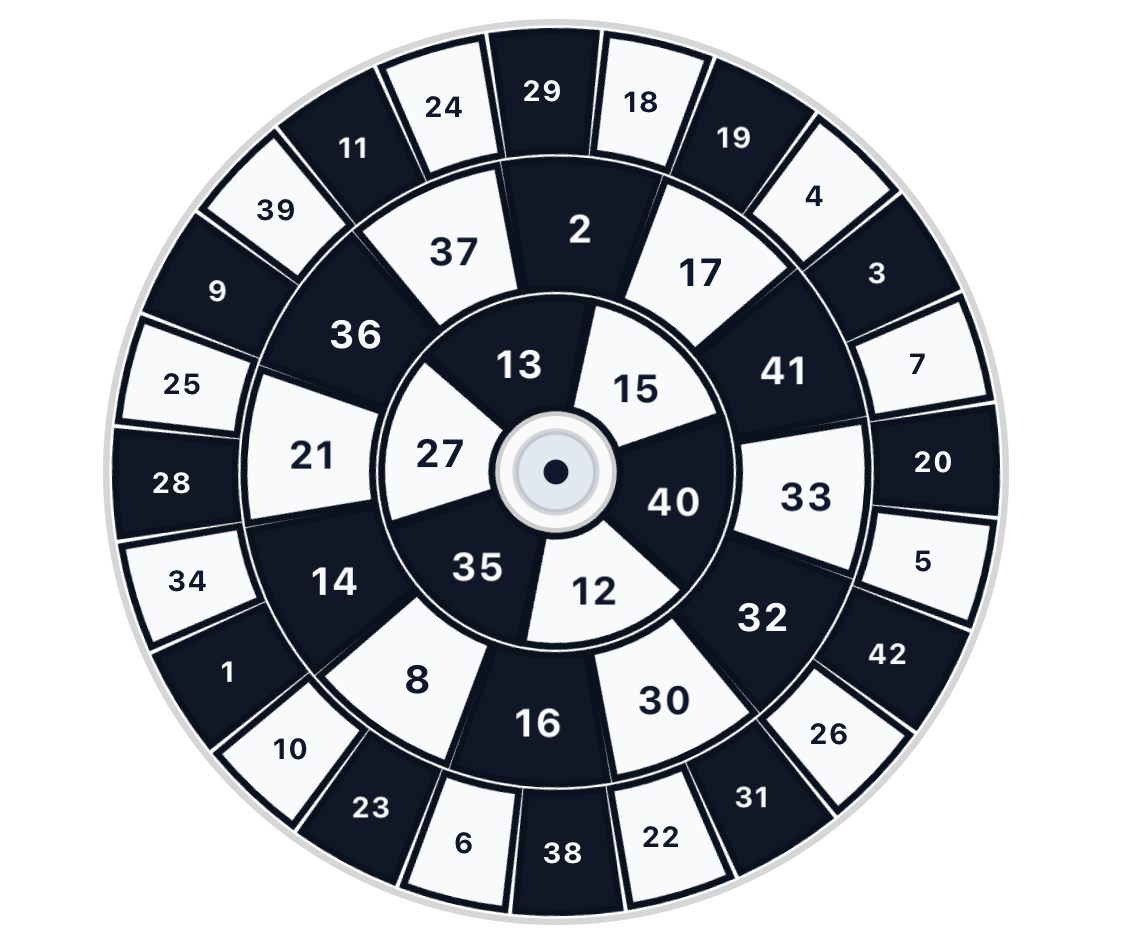
Play a dynamic circular Schulte Table with three number rings that rotate independently in different directions. Find numbers 1 to 42 while practicing visual search, focused attention, and quick, accurate responses.